Friday, January 28, 2011

Most Endangered Animals

Wroughton's Free-tailed Bat
Himalaya wolf
Asian Arowana


Capped Langur


Wildcat


Indian vulture


Snakes

Night adder Snake 
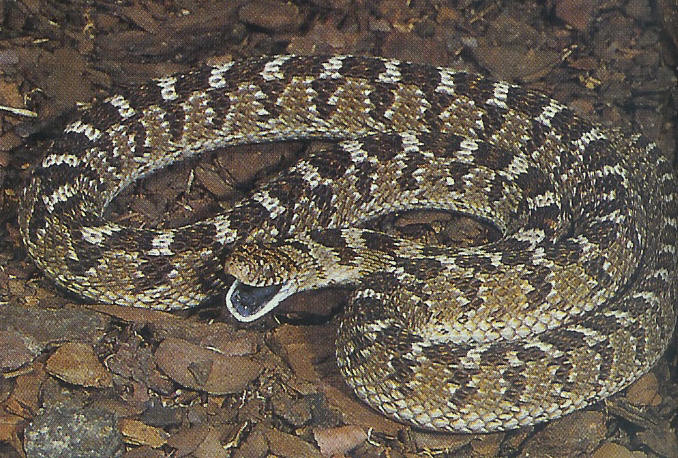
Puff adder Snake 
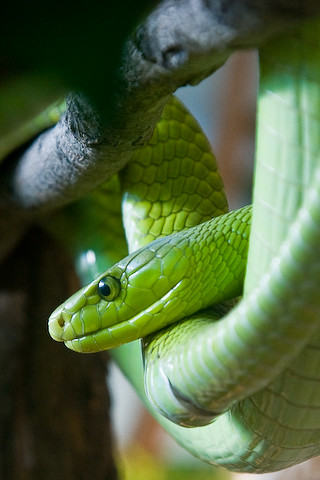
Green mamba  Snake
King Cobra Snake
Copperhead Snake

Venomous snake BLACK MAMBA


The Black Mamba snake also known as Dendroaspis polylepis is one of Africa’s most dangerous and feared snakes. The black mamba is the largest venomous snake in Africa and the second largest snake in the world, after the King Cobra. Adult black mambas have an average length of 2.5 meters or 8.2 feet and a maximum length of 4.5 meters or around 14 feet. The Back Mamba is also one of the fastest land snakes in the world. It has the capability to reach speeds in excess of 12 mph or 20km/hr. It mainly uses this speed the escape danger rather than capturing prey.


The Black Mamba gets its name not because the color of its body, but because it has a black inky color mouth. The black mamba has either a dark olive, olive green, grey brown or metal color skin depending on what area on the country the Black Mamba is found. As Black Mamba’s begin to age, their skin starts to become darker.


Black Mambas are elapid snakes, which mean they are venomous snakes found in tropical or subtropical regions around the word including the Indian and Pacific Ocean. Elapid snakes are characterized by having a set of hollow, fixed fangs through which they inject venom. Black Mambas venom contains powerful, fast-acting neurotoxins and cardiotoxins, including calciseptine. Calcoseptine contains 60 amino acids with four disulfide bonds and is one of the main culprits for the Black Mambas prey to stop pumping blood through its veins.


Each bite that the Black Mamba delivers has about 100-120 mg of venom on average and it can deliver up to 400 mg. If the venom reaches a vein, .25 mg/kg is enough to kill a full-size human in half of the cases. The initial symptom of the bite is local pain in the bite area, then the viction experiences a tingling sensation in the mouth and extremities, double vision, tunnel vision, severe confusion, fever, excessive perspiration, foaming of the mouth and nose, and a lack of muscle control.

If the victim does not receive medical attention, symptoms rapidly progress to severe abdominal pain, nausea and vomiting, shortness of breath), and paralysis. Eventually, the victim experiences convulsions, respiratory arrest, coma, and then death. Without antivenom, the mortality rate is nearly 100%, the highest among venomous snakes.

Thursday, November 4, 2010

National Animal


he tiger (Panthera tigris), a member of the Felidae family, is the largest of the four "big cats" in the genus Panthera.[4] Native to much of eastern and southern Asia, the tiger is an apex predator and an obligate carnivore. Reaching up to 3.3 metres (11 ft) in total length, weighing up to 300 kilograms (660 pounds), and having canines up to 4 inches long,[5] the larger tiger subspecies are comparable in size to the biggest extinct felids.[6][7] Aside from their great bulk and power, their most recognisable feature is a pattern of dark vertical stripes that overlays near-white to reddish-orange fur, with lighter underparts. The most numerous tiger subspecies is the Bengal tiger while the largest is the Siberian tiger.
Tigers have a lifespan of 10–15 years in the wild, but can live longer than 20 years in captivity.[8] They are highly adaptable and range from the Siberian taiga to open grasslandsand tropical mangrove swamps.
They are territorial and generally solitary animals, often requiring large contiguous areas of habitat that support their prey demands. This, coupled with the fact that they are indigenous to some of the more densely populated places on earth, has caused significant conflicts with humans. Three of the nine subspecies of modern tiger have gone extinct, and the remaining six are classified as endangered, some critically so. The primary direct causes are habitat destructionfragmentation and hunting.


Historically tigers have existed from Mesopotamia and the Caucasus throughout most ofSouth and East Asia. Today the range of the species is radically reduced. While all surviving species are under formal protection, poaching, habitat destruction and inbreeding depressioncontinue to threaten the tigers.
Tigers are among the most recognizable and popular of the world's charismatic megafauna. They have featured prominently in ancient mythology and folklore, and continue to be depicted in modern films and literature. Tigers appear on many flags and coats of arms, as mascots for sporting teams, and as the national animal of several Asian nations, including India.

Man Eating Tigers


Although humans are not regular prey for tigers, they have killed more people than any other cat, particularly in areas where population growth, logging, and farming have put pressure on tiger habitats. Most man-eating tigers are old and missing teeth, acquiring a taste for humans because of their inability to capture preferred prey.[117] Almost all tigers that are identified as man-eaters are quickly captured, shot, or poisoned. Unlike man-eating leopards, even established man-eating tigers will seldom enter human settlements, usually remaining at village outskirts.[118]Nevertheless, attacks in human villages do occur.[119] Man-eaters have been a particular problem in India and Bangladesh, especially in KumaonGarhwal and theSundarbans mangrove swamps of Bengal, where some healthy tigers have been known to hunt humans. Because of rapid habitat loss due to climate change, tiger attacks have increased in the Sundarbans.[120]


A female tiger Tatiana escaped from her enclosure in the San Francisco Zoo, killing one person and seriously injuring two more before being shot and killed by the police. The enclosure had walls that were lower than they were legally required to be, allowing the tiger to climb the wall and escape.

Give food to fishes

Dog