Sunday, February 6, 2011
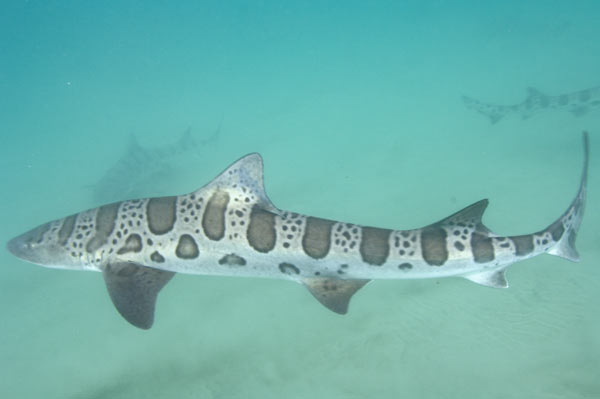


Lion fish


Thursday, February 3, 2011

Friday, January 28, 2011
Most Endangered Animals
 |
| Wroughton's Free-tailed Bat |
 |
| Himalaya wolf |
 |
| Asian Arowana |
 |
| Capped Langur |
 |
| Wildcat |
 |
| Indian vulture |
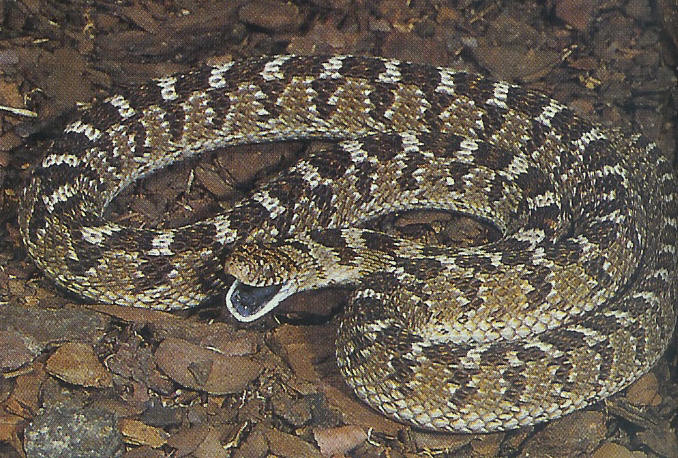

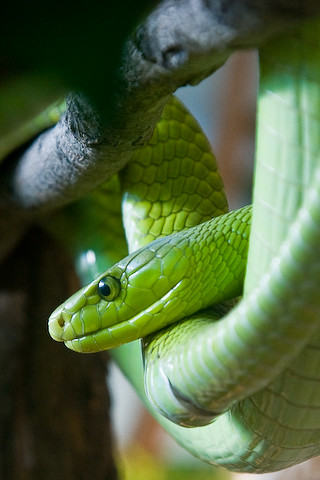


Venomous snake BLACK MAMBA

The Black Mamba snake also known as Dendroaspis polylepis is one of Africa’s most dangerous and feared snakes. The black mamba is the largest venomous snake in Africa and the second largest snake in the world, after the King Cobra. Adult black mambas have an average length of 2.5 meters or 8.2 feet and a maximum length of 4.5 meters or around 14 feet. The Back Mamba is also one of the fastest land snakes in the world. It has the capability to reach speeds in excess of 12 mph or 20km/hr. It mainly uses this speed the escape danger rather than capturing prey.
The Black Mamba gets its name not because the color of its body, but because it has a black inky color mouth. The black mamba has either a dark olive, olive green, grey brown or metal color skin depending on what area on the country the Black Mamba is found. As Black Mamba’s begin to age, their skin starts to become darker.
Black Mambas are elapid snakes, which mean they are venomous snakes found in tropical or subtropical regions around the word including the Indian and Pacific Ocean. Elapid snakes are characterized by having a set of hollow, fixed fangs through which they inject venom. Black Mambas venom contains powerful, fast-acting neurotoxins and cardiotoxins, including calciseptine. Calcoseptine contains 60 amino acids with four disulfide bonds and is one of the main culprits for the Black Mambas prey to stop pumping blood through its veins.

Each bite that the Black Mamba delivers has about 100-120 mg of venom on average and it can deliver up to 400 mg. If the venom reaches a vein, .25 mg/kg is enough to kill a full-size human in half of the cases. The initial symptom of the bite is local pain in the bite area, then the viction experiences a tingling sensation in the mouth and extremities, double vision, tunnel vision, severe confusion, fever, excessive perspiration, foaming of the mouth and nose, and a lack of muscle control.
If the victim does not receive medical attention, symptoms rapidly progress to severe abdominal pain, nausea and vomiting, shortness of breath), and paralysis. Eventually, the victim experiences convulsions, respiratory arrest, coma, and then death. Without antivenom, the mortality rate is nearly 100%, the highest among venomous snakes.
Subscribe to:
Posts (Atom)